






Vaping in the United States is governed by a patchwork of rules that can easily catch users off guard. Regulations vary across federal law, state statutes, and private property policies, making it difficult to know vaping is permitted.
The fundamental standard is simpler than it seems because most jurisdictions now categorize electronic cigarettes under the same restrictive umbrella as traditional tobacco.
Read this article to identify the specific locations where you must power down and the few remaining areas where you can legally use your device!
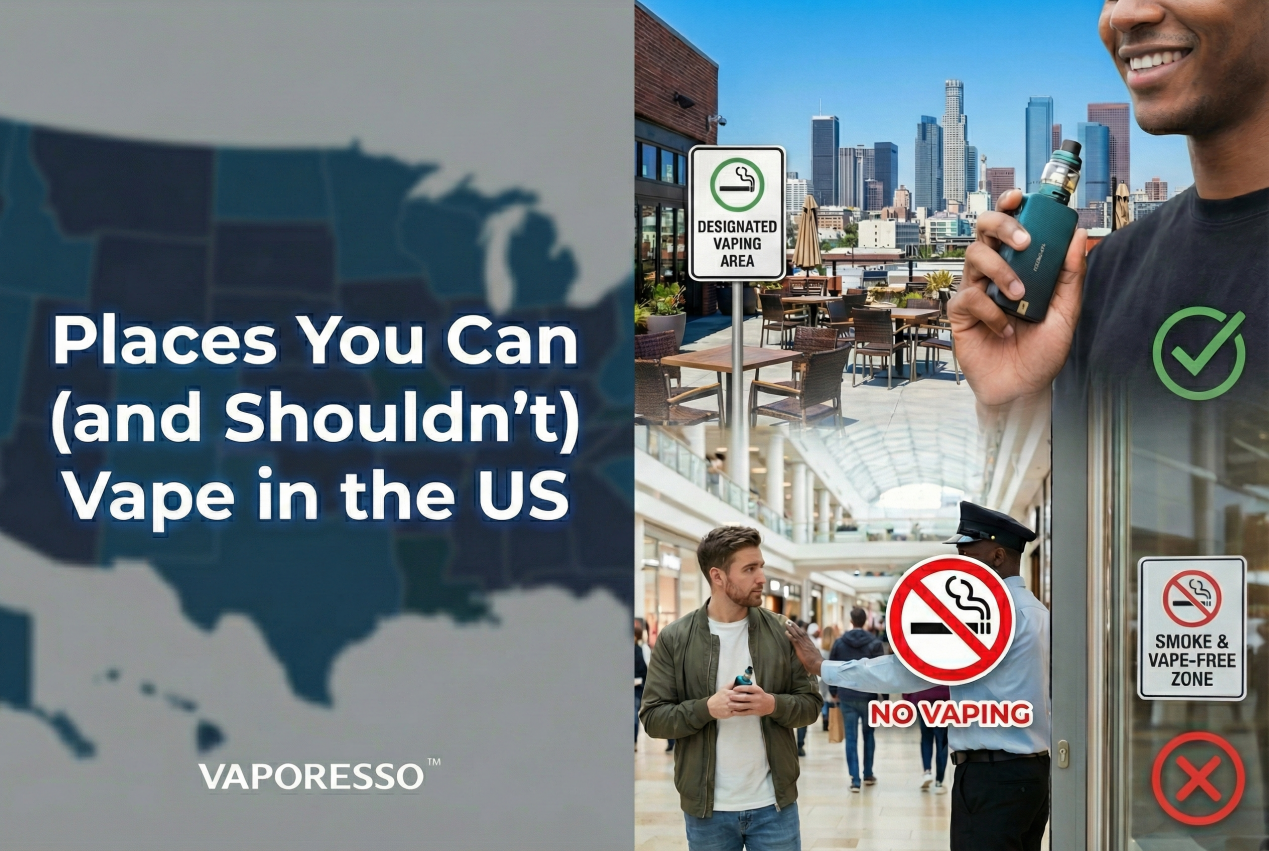
Places Where Vaping Is Strictly Prohibited
Adhering to legal mandates is a fundamental part of vaping etiquette in the US. While policies vary by region, several zones maintain a zero-tolerance approach toward electronic cigarettes. Violating these rules can lead to significant fines, legal action, or expensive cleaning fees.
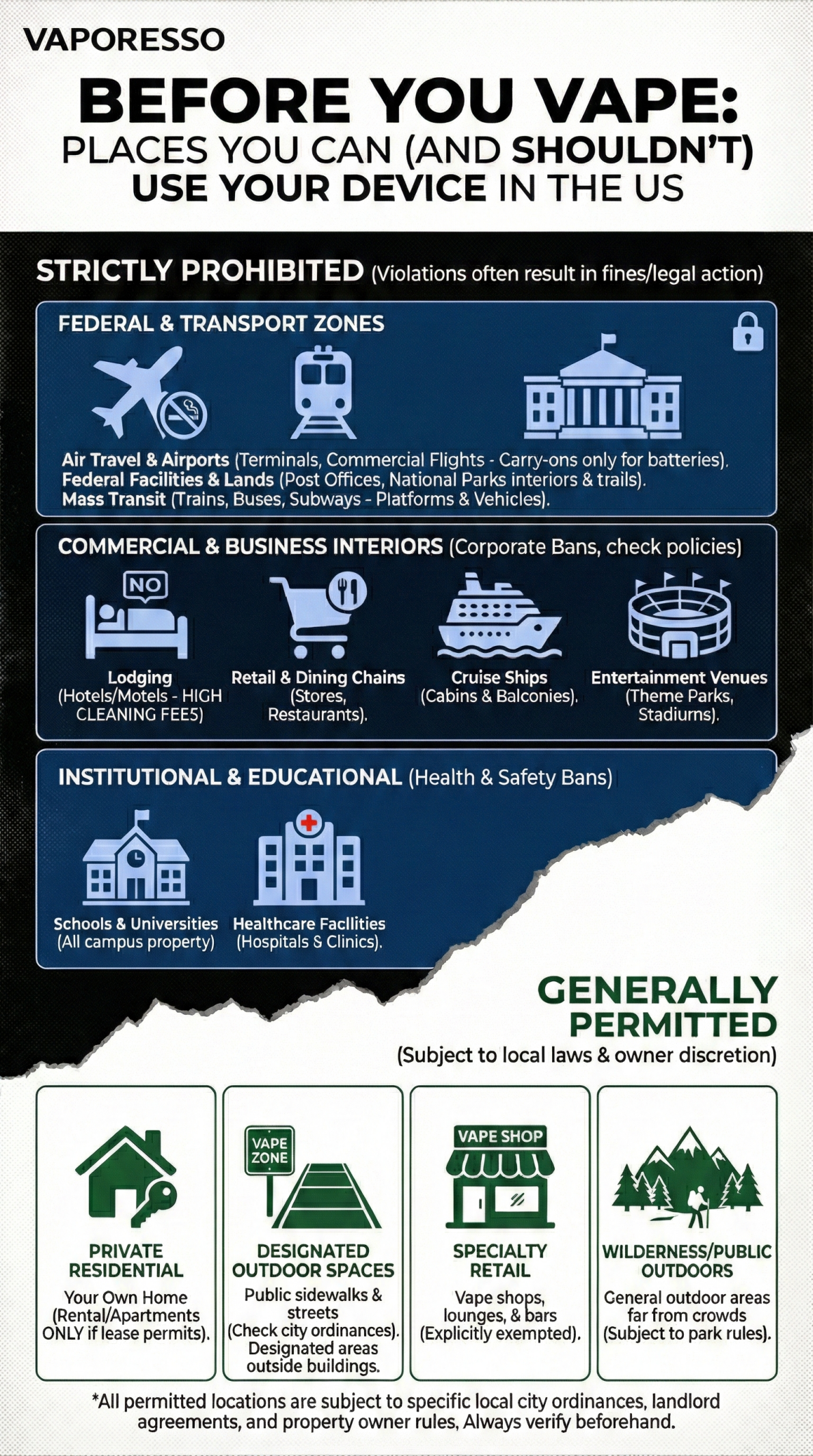
Federal and Transportation Zones
The strictest bans occur where federal law or safety regulations take precedence. These areas are non-negotiable and carry the heaviest penalties for non-compliance.
- Air Travel and Airports: Federal law prohibits vaping on all commercial flights. Devices must be kept in carry-on luggage and cannot be used, charged, or stored in checked bags. Within airports, use is restricted to designated outdoor areas.
- Federal Facilities and Lands: This includes post offices, courthouses, and national park buildings. In national parks, vaping is banned in all indoor facilities, vehicles, and concession areas. Some parks may extend this ban to trails during fire seasons.
- Mass Transit Systems: Vaping is prohibited on all intercity rail lines, such as Amtrak, and major bus lines. Most local subways, city buses, and light rail platforms maintain similar bans.
Commercial and Private Business Interiors
Corporate policies often extend beyond state laws to maintain a specific environment for all customers, making vaping indoors one of the most commonly restricted behaviors across the country.
- Lodging: Major chains like Marriott and Hilton are 100% smoke-free. Using a device in a room results in high cleaning fees.
- Retail and Dining: National retailers like Walmart and Target, along with chains like Starbucks, ban all indoor use.
- Cruise Ships: Vaping is strictly prohibited in cabins and on private balconies. Only restricted outdoor areas are permitted.
- Venues: Disney parks and professional sports stadiums (NFL, MLB, NBA) ban use in seating areas, concourses, and restrooms.
Institutional and Educational Facilitie
Health and safety regulations are paramount in these environments:
- Schools and Universities: Most campuses are entirely tobacco-free. This policy typically covers all property, including outdoor walkways and parking lots, often mandated by state law.
- Healthcare Facilities: Hospitals, clinics, and medical offices prohibit vaping throughout the building and on the immediate surrounding grounds to protect patient health.
Places Where Vaping Is Generally Permitted
While restrictions are widespread, practicing good vaping etiquette means knowing exactly where you can use your device without causing a disturbance or breaking the law. These locations generally allow vaping, though you should always remain observant of posted signage.
Private Residential Property
- Your Own Home: You have full control over device use within a home you own.
- Rental Properties and Apartments: Permission depends entirely on your lease agreement or HOA rules. Many modern apartment complexes categorize vaping as smoking; ensure your contract explicitly permits indoor use to avoid security deposit deductions.
Designated Outdoor Spaces
When you are in public, following vaping etiquette often means moving to specific areas designed for nicotine use to keep vapor away from non-users.
- Public Sidewalks and Streets: In most US cities, vaping while walking on a public sidewalk is legal. However, some local ordinances (especially in California or New York) may prohibit it in busy pedestrian plazas or near building entrances.
- Designated Areas: Many office complexes, shopping centers, and airports provide outdoor "vaping zones." Utilizing these areas is a hallmark of responsible vaping etiquette, as it ensures you are in a space where others expect the presence of vapor.
Specialty Retail and Lounges
There are specific environments where vaping is the main activity.
- Vape Shops and Lounges: These businesses are typically exempted from local "Clean Indoor Air" laws, allowing customers to test products and socialize indoors.
- Exempted Bars: In some states, bars that do not serve food or have specific permits allow indoor use. In these social settings, proper vaping etiquette includes being mindful of the density of your clouds in crowded indoor spaces.
Wilderness and Open Public Spaces
In vast outdoor areas, the rules are generally more relaxed, though environmental awareness is still key to good vaping etiquette.
- General Outdoor Areas: Large public parks or wilderness areas far from crowds usually permit device use.
- Local Nuances: Always check for local park rules or fire department warnings. Even if vaping is legal, using a device during high-fire-risk seasons in dry wilderness areas is considered poor vaping etiquette and a potential safety hazard.
Conclusion
Navigating the legal map of the US requires a balance of situational awareness and personal responsibility. Practicing proper vaping etiquette involves staying informed about local statutes while respecting the shared spaces of those around you. As regulations continue to shift, your choice of hardware plays a significant role in how seamlessly you adapt to different environments.
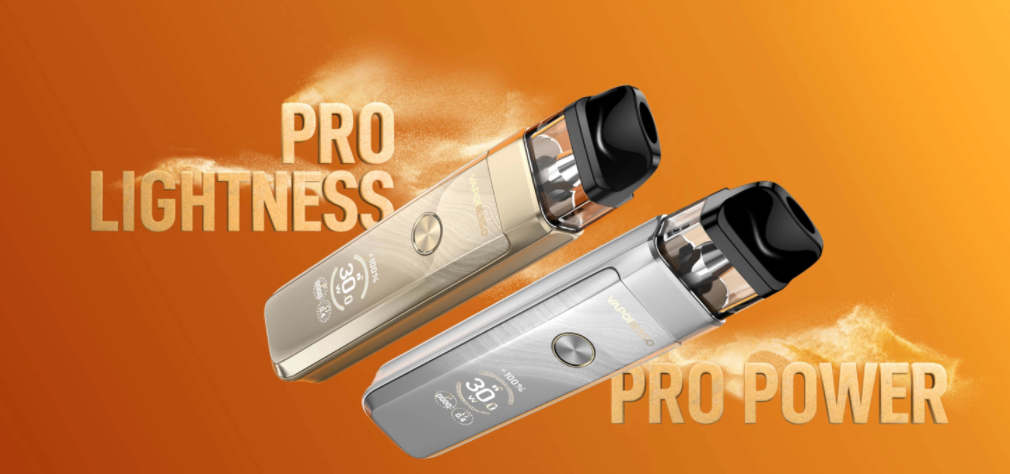
The VAPORESSO XROS PRO 2 serves as an ideal companion for the modern traveler who values both performance and discretion. Its compact form factor allows for quick storage when moving through restricted zones, while the COREX 3.0 technology ensures a consistent, high-quality experience once you reach a designated area.